


13 Days, Moderate
13-Day Langtang Valley Trek Nepal
From $2,375 per person
- Next departure Mar 15, 2027
- Join a group of up to 10, or go private. Large groups welcome.
Moderate: up to about 6 hours of walking a day on good trails, or several days of Class III and IV rapids. Nights up to about 4,300 m (14,000 ft).
We reply within one business day. No payment to ask.
The climb to Tserko Ri
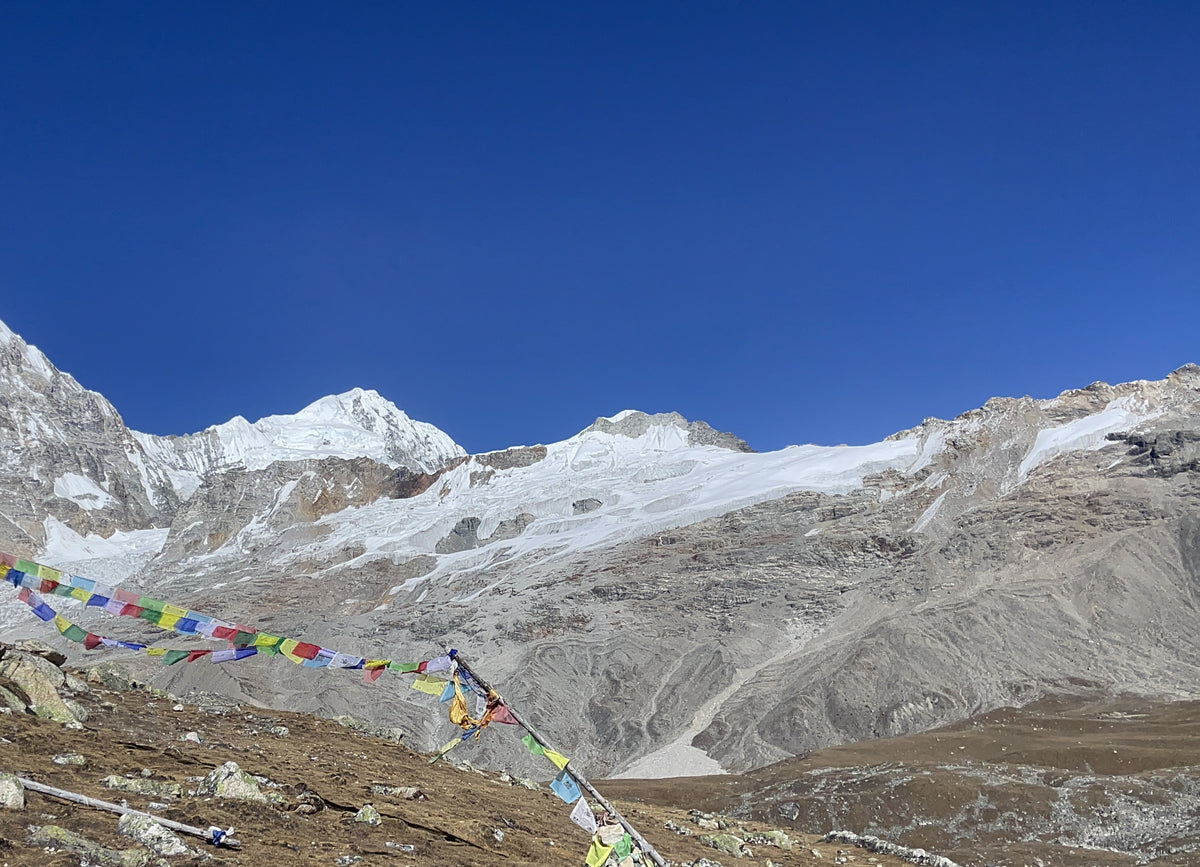
From Dhunche at about 2,030 m to Tserko Ri at 5,000 m (16,404 ft), the highest point of the trip, reached on an optional climb.

Travel dates
The deposit is part of the total price, not an additional fee.
-
March 15 – 27, 2027 Available$2,375 per person
-
October 1 – 13, 2027 Available$2,375 per person
-
November 1 – 13, 2027 Available$2,375 per person
Scheduled departure deposit: $500 per person for bookings more than 90 days before departure
Private journey deposit: 30% of the trip price for bookings more than 90 days before departure
Final balance: Due 90 days before departure. Bookings made 90 days or fewer before departure are paid in full at booking.
Our conditions promise: A qualifying Nepal advisory change or trek-region closure within 60 days of departure lets you move dates free or take full credit for 24 months.
Scheduled departures: No minimum group size
SherpaHolidays Terms and Conditions SH-TC-2026-10-14. Your accepted booking version and mandatory rights remain in effect.
Questions about this trip?
Ask Sam or Gyalgin
We reply within one business day. No payment, no commitment.
Loading the inquiry form…
The form did not load. Email your trip ideas to us instead. We reply within one business day.
Email usWe could not send your inquiry just now. Nothing was lost: try again, or email it to info@sherpaholidays.com with one tap.
Thank you. Your inquiry is on its way.
Sam or Gyalgin will read it personally and reply from info@sherpaholidays.com within one business day.
We could not save your answer. Try again, or tell us when we call. Your inquiry is already sent.
Thanks. Your answer is with your inquiry now.
Three quick questions, if you have a moment. When, how many, and a budget. Optional, and they help us prepare a better first reply.
Three quick questions, if you have a moment.
Thanks. Those details are with your inquiry now.
This is an inquiry, not a booking. Nothing is charged here.
- Within one business day We reply within one business day.
- Then A call, if you would like one.
- When you are ready A deposit holds your place.

Things guests ask before booking
Straight answers about booking, payment and how we run every trip.
-
-
-
-
-
-
Groups of up to 10, or private for your own group. Scheduled group dates have no minimum, so they run with any number of guests. Large groups welcome.
-
The deposit is part of the total price, not an additional fee. A scheduled booking made more than 90 days before departure requires $500 per person. A private journey booked more than 90 days before departure requires 30% of the trip price. The balance is due 90 days before departure. At 90 days or fewer, full payment is due at booking. Your disclosure and invoice state the exact amounts and dates.
Once your deposit is received, your price is locked except for government taxes, park fees or levies introduced after that date. We tell you in writing as soon as we learn of one and identify its amount and basis. A different route, hotel upgrade or optional activity is not an automatic extra charge; any additional cost requires your agreement before it is booked.
SherpaHolidays Terms and Conditions SH-TC-2026-10-14. Your accepted booking version and mandatory rights remain in effect.
-
Scheduled departure deposit
$500 per person for bookings more than 90 days before departurePrivate journey deposit
30% of the trip price for bookings more than 90 days before departureFinal balance
Due 90 days before departure. Bookings made 90 days or fewer before departure are paid in full at booking.You cancel 90 or more days before departure
Your deposit becomes credit toward any SherpaHolidays trip for 24 months. Payments above the deposit are refunded, subject only to a specific supplier exception disclosed and accepted before payment.You cancel 89 to 60 days before departure
Cancellation charge: 50% of the total trip priceYou cancel 59 to 46 days before departure
Cancellation charge: 75% of the total trip priceYou cancel 45 days or fewer before departure
Cancellation charge: 100% of the total trip price. No refund.Our conditions promise
A qualifying Nepal advisory change or trek-region closure within 60 days of departure lets you move dates free or take full credit for 24 months.We cancel or cannot provide contracted services
Refunds for services not provided as required by California law. An alternative or credit is your choice, not a required substitute.Scheduled departures
No minimum group sizeThe traveler-cancellation table does not remove our conditions promise, rights under an already accepted booking, or refunds and other rights required by law.
If the US State Department raises Nepal to Level 3 or higher, or your trek region is closed, within 60 days of departure, you can move your dates free or take full credit toward any SherpaHolidays trip for 24 months. This applies instead of the normal traveler-cancellation charges, including the 45-day rule and any supplier cancellation exception.
Full credit means the payments you made for the affected trip, not only the deposit. We record the trigger and your choice in writing. The credit follows Section 4's use and validity terms. A free date move has no change fee; we disclose any price difference for the replacement trip before you decide. The promise does not replace a cash refund owed when we cancel or cannot provide contracted services.
SherpaHolidays Terms and Conditions SH-TC-2026-10-14. Your accepted booking version and mandatory rights remain in effect.
-
Comprehensive travel insurance is a condition of every booking. Your policy must cover emergency medical treatment, emergency evacuation, trip cancellation and interruption, and repatriation. Confirm with your insurer that it covers your itinerary's activities and maximum altitude, including technical climbing, rafting, helicopter evacuation and search and rescue where applicable. Provide proof before departure. Consider obtaining cover when you book because some benefits have purchase deadlines.
We are not your insurer. Receiving your documents is not a determination of coverage and does not guarantee payment of a claim. Medical and evacuation providers may require payment in advance. Keep insurer emergency details available during your trip.
SherpaHolidays Terms and Conditions SH-TC-2026-10-14. Your accepted booking version and mandatory rights remain in effect.
-
Yes. Any departure can run privately on your dates, and we adjust pace, accommodation and rest days around you. If you want a different route entirely, we plan custom itineraries from scratch.
-
Guides from our own Sherpa team lead every trip in Nepal. Beyond Nepal we work with trusted local partners we have known for years, so there is always someone beside you who knows the ground well.
-
The Sherpa Standard section on this page lists everything included on this trip, from guides and permits to lodges and meals. International flights and travel insurance are the main things you arrange yourself.
Guest reviews
What guests say
I recently took a trip to Nepal and was met with wonderful service by the staff and amazing tours with the Sherpa guides. The cultural tours were by far my favorite. Highly recommend!!
Took a trip to Nepal for 10 days and got an amazing tour of the area! Great people, great places 10/10 would go again 🔥🔥
I found Sherpa Holidays when I was looking to do the 23 days Annapurna circuit trek and they not only made me a custom itinerary to fit my needs, but they also made the entire process seamless. Highly recommend Sherpa Holidays for anyone looking to head to Nepal!
The staff were easy to communicate with and I had a wonderful trip.
Reviews shown as published on our Google profile.